How to Build a Targeted Spotify Playlist Pitch That Curators Will Actually Accept


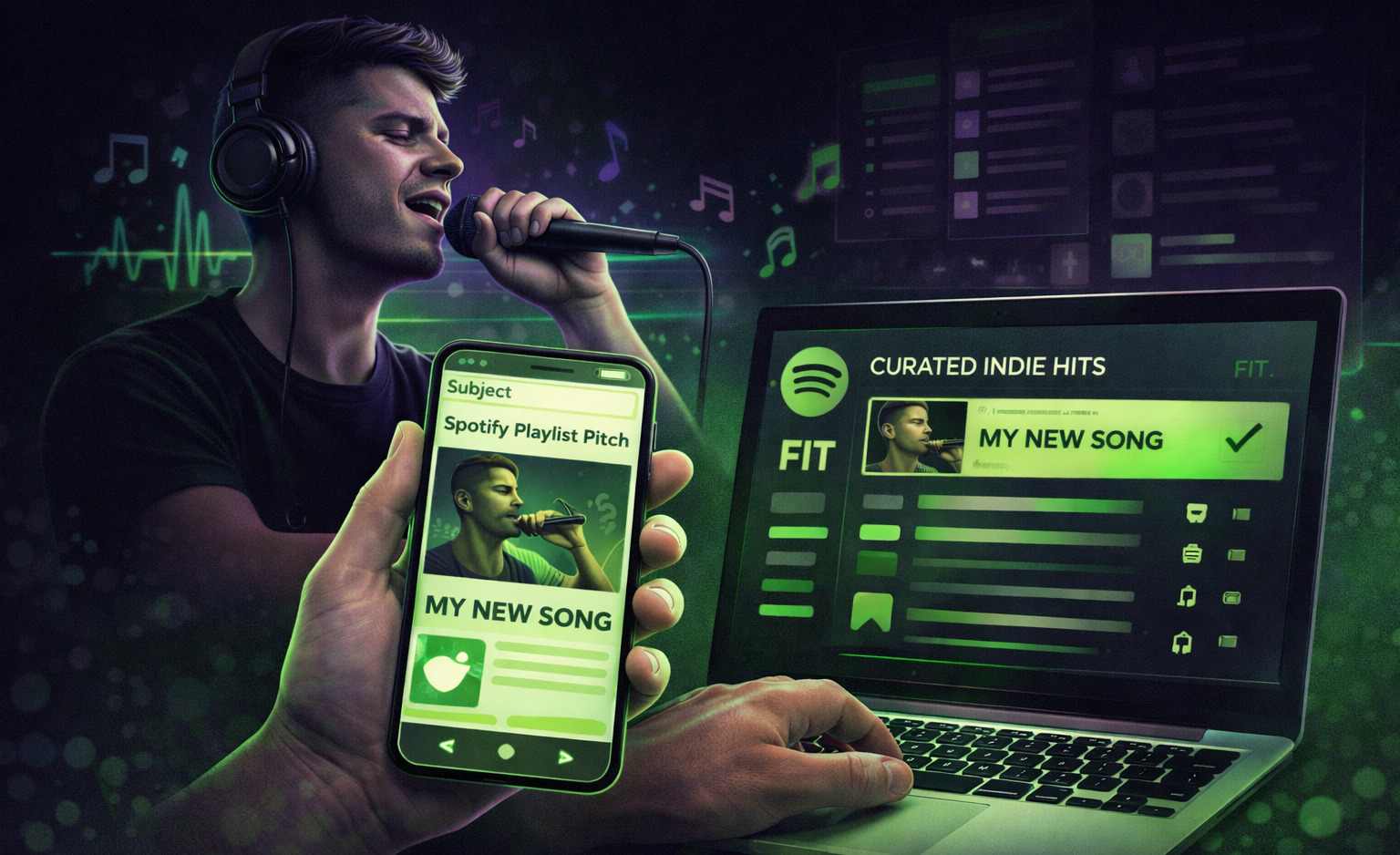
If you’ve ever sent out dozens of Spotify playlist pitches and heard absolutely nothing back, you’re not alone. Most artists assume playlist placement is about luck or connections, but in reality, it often comes down to how well your pitch is written and targeted. Curators receive hundreds of submissions every week, and most of them are skipped within seconds.
The good news? You don’t need industry contacts or fancy PR tools. You just need to understand what curators look for and how to present your track in a way that makes sense to them. Once you get this right, playlist placement becomes far more predictable and less frustrating.
Before diving deep, it also helps to understand the bigger picture of looking for Spotify playlist placement? learn how to do it efficiently!, because pitching is just one part of the overall strategy.
1. Stop Sending the Same Pitch to Every Curator
One of the biggest mistakes artists make is copy-pasting the same pitch to everyone. Curators can spot this instantly. Each playlist has a specific mood, genre, and listener base, and a generic pitch shows that you didn’t bother to understand their playlist.
Instead, spend a few minutes listening to the playlist you’re pitching to. Mention something specific about it in your message, like the vibe, tempo, or a track that fits well alongside yours. This small effort alone can dramatically improve your acceptance rate because it shows respect for the curator’s work.
2. Lead With the Music Style, Not Your Life Story
Curators care about one thing first: whether your song fits their playlist. Long personal stories about your journey as an artist usually don’t help in the opening lines. If they can’t immediately tell what your song sounds like, they’ll move on.
Start your pitch by clearly stating the genre, mood, and energy of your track. For example, saying “a chill indie pop track with soft vocals and summer vibes” is far more effective than a paragraph about how long it took to make the song. You can add context later, but clarity comes first.
3. Explain Why Your Track Fits Their Playlist
This is where most artists lose opportunities. It’s not enough to say your song is “great” or “high quality.” Curators want to know why it belongs on their specific playlist.
Mention how your track matches the playlist’s mood, tempo, or theme. If their playlist focuses on late-night chill music, explain how your song works for relaxed listening or night drives. When curators can instantly imagine your track playing alongside others on their playlist, acceptance becomes much easier.
4. Keep Your Pitch Short and Easy to Scan
Curators don’t read long emails. They skim. If your pitch looks overwhelming, it won’t get read fully. A short, well-structured pitch always performs better than a long, emotional message.
Aim for 4–6 short sentences at most. Break lines if needed. Make sure the Spotify link is easy to find and not buried at the bottom. Think of your pitch as a quick introduction, not a press release.
5. Include Only Relevant Links (Nothing Extra)
Adding too many links can actually hurt your chances. Curators don’t need your website, Instagram, YouTube, or press kit in the first message. Too many links feel messy and unprofessional.
Stick to one primary Spotify track link. If you include anything else, make sure it directly supports the pitch, such as a previous playlist placement or a simple one-line stat. Clean and focused pitches feel more trustworthy.
6. Be Honest About Your Numbers and Expectations
You don’t need big streaming numbers to get playlisted, but lying about them will backfire. Curators appreciate honesty, especially from emerging artists. If you’re new, say so — but explain why your track still fits.
For example, mentioning that you’re building momentum or recently released new music feels genuine. This approach works much better than exaggerating achievements or pretending to be bigger than you are.
7. Avoid Red Flags That Curators Instantly Reject
Some phrases immediately turn curators off, even if your music is good. Asking for guaranteed placement, offering payment upfront, or demanding quick responses are major red flags.
If you want to understand these errors in more detail, there’s a helpful breakdown on common Spotify playlist placement mistakes artists make, which explains why even good tracks often get ignored. Avoiding these mistakes alone can save you weeks of wasted effort.
8. Follow Up — But Only Once and Politely
Following up isn’t wrong, but spamming is. If you haven’t received a response after 7–10 days, a short and polite follow-up is fine. Keep it respectful and brief.
Something as simple as checking whether they had a chance to listen works better than pushing for a decision. Curators are more likely to respond to artists who respect their time.
9. Track What Works and Refine Your Pitch Over Time
Playlist pitching isn’t a one-time action. It’s a learning process. Pay attention to which pitches get replies and which don’t. Over time, you’ll notice patterns in wording, structure, and playlist targeting.
Small adjustments — like changing your opening line or refining your genre description — can lead to much better results. Artists who treat pitching as a system, not a gamble, usually see consistent improvements.
Final Thoughts
Getting accepted by Spotify playlist curators isn’t about luck or mass emailing. It’s about relevance, clarity, and respect for the curator’s time. When your pitch clearly explains what your song sounds like and why it fits a specific playlist, you stand out naturally.
Focus on quality over quantity, refine your approach with each pitch, and combine smart pitching with an efficient placement strategy. When everything works together, playlist placement stops feeling random and starts feeling achievable.